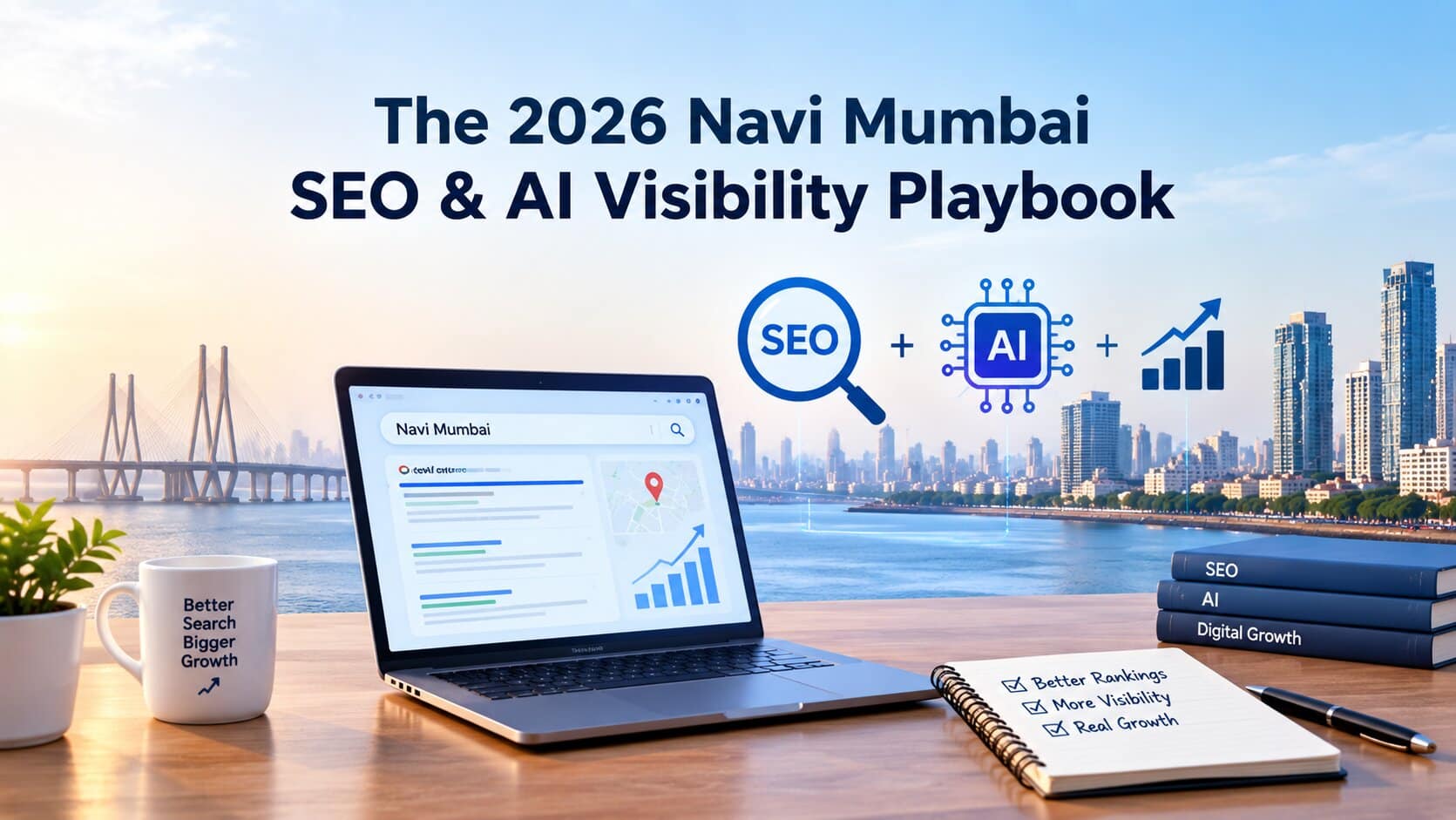
Traditional SEO is about earning a ranking position on a search results page – the better your technical setup, content relevance, and backlink profile, the higher you rank for a given query, and the more clicks you get. It’s a ranking game, played against a list of ten blue links.
What LLM SEO Adds on Top of That
LLM SEO – sometimes called AI search optimisation or generative engine optimisation – is about being the answer, not just a link in a list. When someone asks ChatGPT, Gemini, or an AI Overview “which SEO agency should I use in Navi Mumbai,” the model isn’t ranking ten results for the person to click through. It’s synthesising an answer from whatever content it trusts enough to cite or paraphrase, often naming two or three businesses by name.
That’s a different game. Instead of optimising to appear on a results page, you’re optimising to be one of the few sources an AI model considers credible enough to mention directly.
How Answer Engines Actually Pick Which Business to Mention
Language models lean heavily on content that states facts plainly and specifically – named services, real numbers, clear comparisons – rather than vague marketing copy. They also draw on how consistently a business is described across the web: your own site, directory listings, review platforms, and any press or third-party mentions. If your name and services are described consistently everywhere, that consistency itself becomes a trust signal.
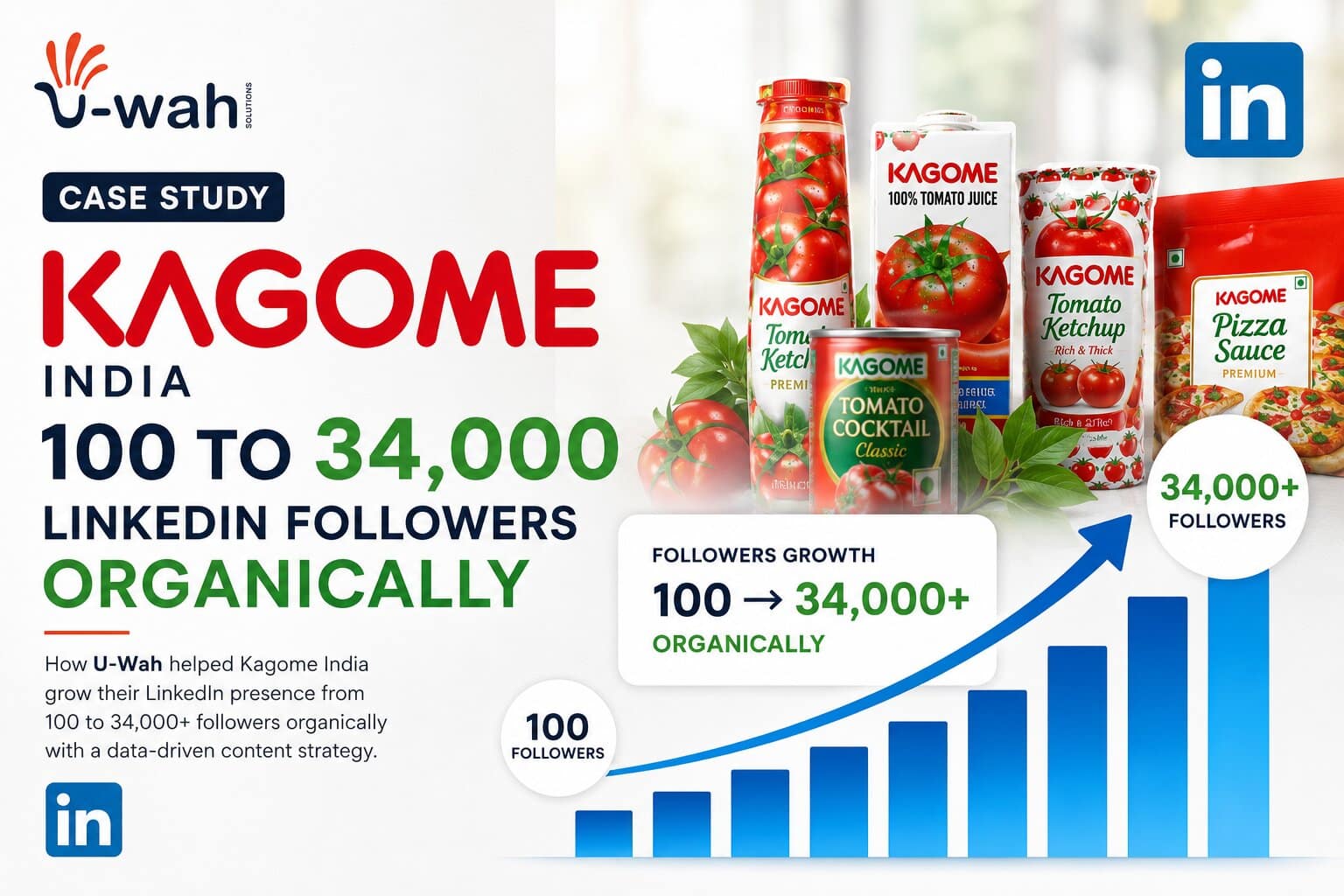
Structured content also matters more here than in traditional SEO – clear headings, direct question-and-answer formatting, and specific claims (not “we deliver great results” but “grew LinkedIn following from 100 to 34,000 in 12 months”) give a model something concrete to extract and repeat.
What Most Mumbai Businesses Are Getting Wrong
The most common mistake is treating LLM SEO as a separate project instead of an extension of existing content. Businesses write a single “AI SEO Service” page, treat it as done, and never revisit it – while their actual proof points (client results, specific numbers, named case studies) stay buried on pages a model is less likely to trust or cite.
The second mistake is inconsistency – different phone numbers, different service descriptions, or outdated information across directories and the website itself, which makes it harder for a model to build confidence in what’s accurate.
A Practical Starting Checklist
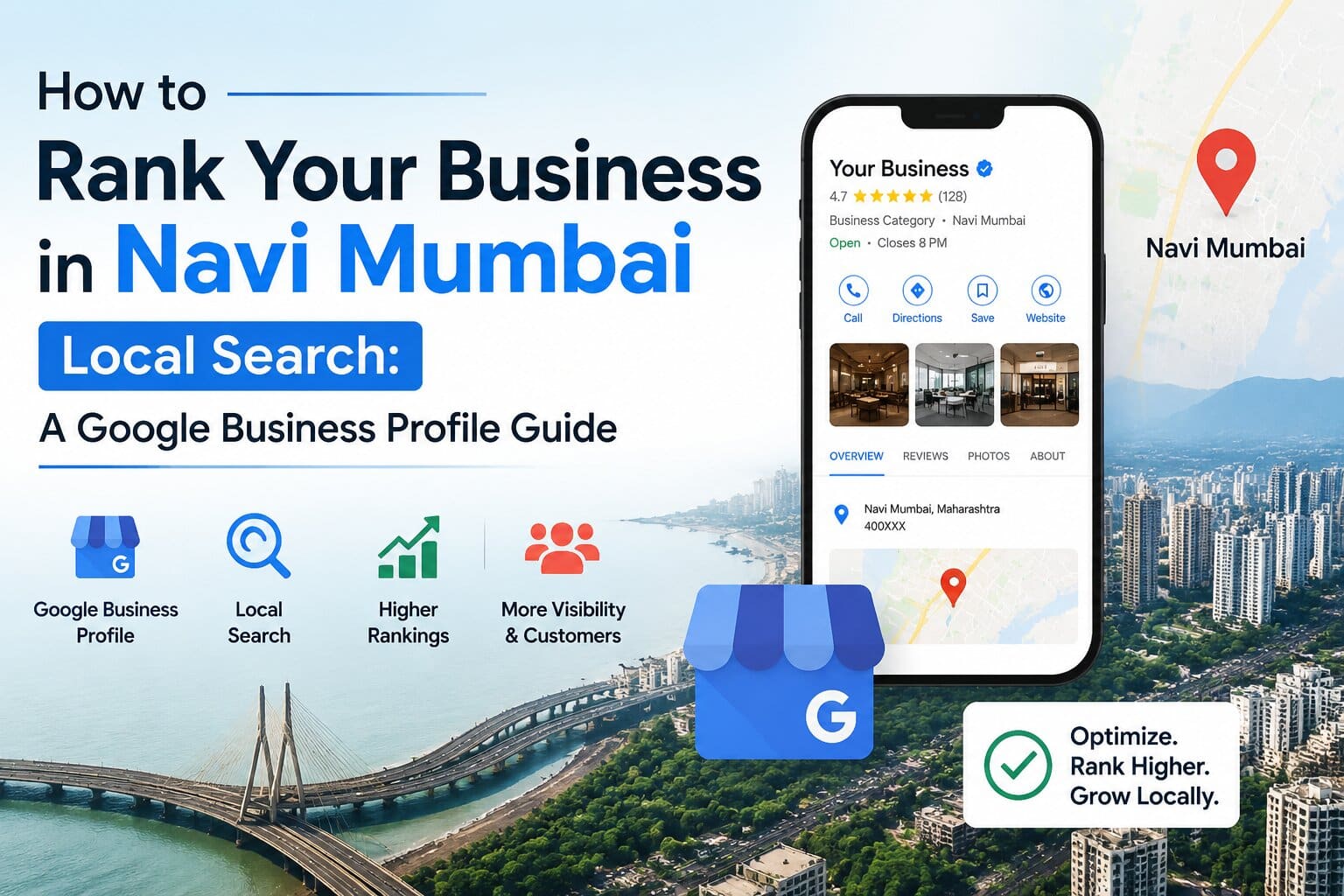
Put your strongest, most specific proof points – real numbers, real client outcomes – on the page most relevant to the service, not buried in a generic about page. Keep your business name, services, and contact details identical across your website, Google Business Profile, and any directory listings. Structure key pages with direct questions as headings, followed by direct answers, since that format is easier for a model to extract cleanly. And check periodically what AI tools actually say when asked about your category in your city – that’s the real test, not a ranking checker.
Traditional SEO isn’t going away – most people still click through search results for many queries, and ranking well continues to matter. But for a growing share of research-stage questions, especially “which agency should I use” type queries, the model’s answer is becoming the first impression a potential client gets. Businesses that treat both as one connected effort, rather than choosing one over the other, are the ones showing up in both places.